


Of volcanic origin, the archipelago consists of two large islands: Viti Levu, with the capital Suva, and Vanua Levu, surrounded by a lacework of about 800 islands of various dimensions, only 150 of which are inhabited.
Colonised about 3,000 years ago by groups from Southeast Asia, Fiji constitutes an ethnic, historical, cultural link with Melanesia to the west and Polynesia to the east, and are part of Western Polynesia along with Tonga and Samoa.
The Fiji are declared kingdom before being ceded to the British Crown in 1874.
Having obtained their independence in 1970, the state of Fiji faces a crucial issue, still not fully resolved, concerning the political role of the large population of Indian origin, migrated in the 19th century under the auspices of the British protectorate for the cultivation of sugar cane.
Kali
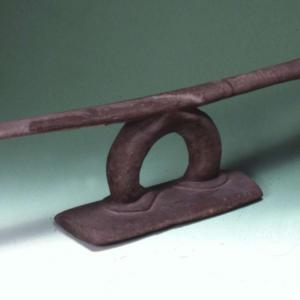
Kali
I ula tavatava
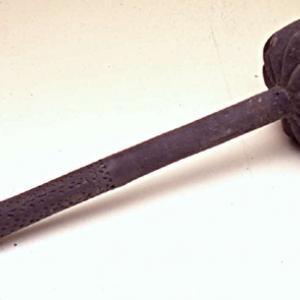
I ula tavatava
Totokia (battle hammer to beak)
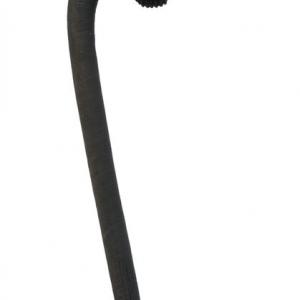
Totokia (battle hammer to beak)
Fork
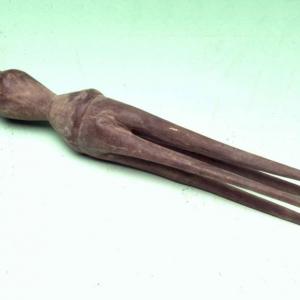
Fork
Sedre ni waiwai (plate for oil) / dave ni yaqona (cup for yaqona) / "
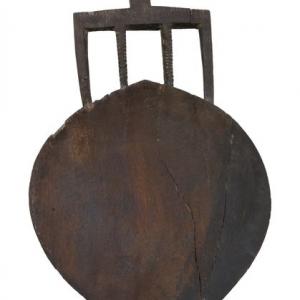
Sedre ni waiwai (plate for oil) / dave ni yaqona (cup for yaqona) / "
Tabua
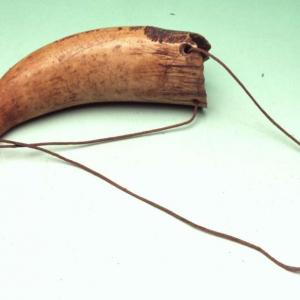
Tabua
Saqa
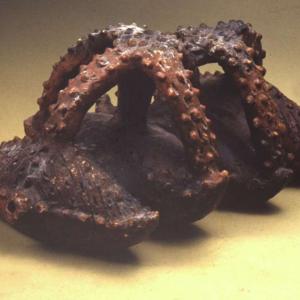
Saqa
Wasekaseka
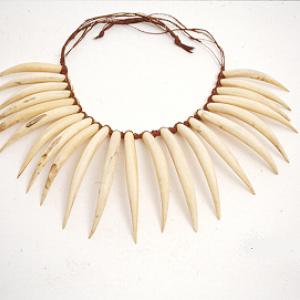
Wasekaseka
Tanoa - Yaqona Cup
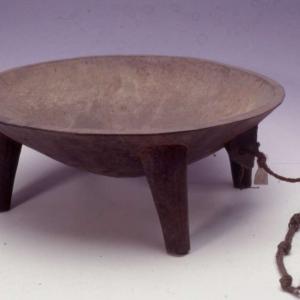
Tanoa - Yaqona Cup
Exhibition - Fiji
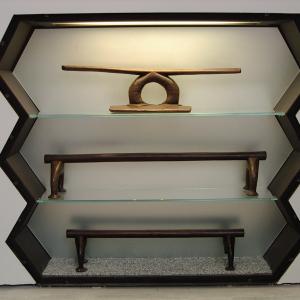
Exhibition - Fiji


